
Buying your first home in Moncton in 2026 comes down to a handful of decisions made in a short window of time. Here's exactly how we'd approach each one, step by step.
So here's the question we sat down and actually answered: what would you do if you were starting over and buying your first place in Greater Moncton right now?
Here's how we'd approach it in 2026, and why:
First, what the market actually looks like right now
The good news for anyone buying their first home in Greater Moncton this year is that the pressure has come off a little compared to the frenzy of a couple of years ago. We've moved into a more balanced market. Homes are taking a bit longer to sell, there's more inventory to choose from, and buyers have more room to negotiate on price or conditions than they did at the peak. For a first-time buyer, that's breathing room. Time to look at a house twice before deciding, instead of feeling rushed into an offer the same afternoon you tour it. Prices in the region are still more affordable than most of the country, though entry-level homes like semi-detached properties and townhouses have climbed over the past few years. Rather than quote a number here that'll be out of date next month, we publish a full Greater Moncton market update every month with current benchmark prices, days on market, and inventory. That's the place to check what a first home is actually running right now, broken out by property type. One thing worth understanding whenever you read market numbers. Monthly averages bounce around depending on which homes happened to sell, so a few higher-end sales can pull an average up even when nothing changed for the typical home. Benchmark prices are the more reliable figure to watch, and they're what we lead with in our updates.We'd talk to a mortgage professional before we looked at a single house
This is the step people skip, and it costs them.Waiting for rates to drop sounds like a strategy, but it isn't one. Nobody can tell you where rates land in six months, and while you wait, prices and competition keep moving on their own schedule. A mortgage professional will tell you what you can actually borrow, what your payment looks like at today's numbers, and what you'd need to change to borrow more. That's real information. Guessing based on an online calculator is not. You'll also find out early if something small needs fixing, like a credit issue or a gap in your down payment paperwork. Better to know in January than the week you want to write an offer.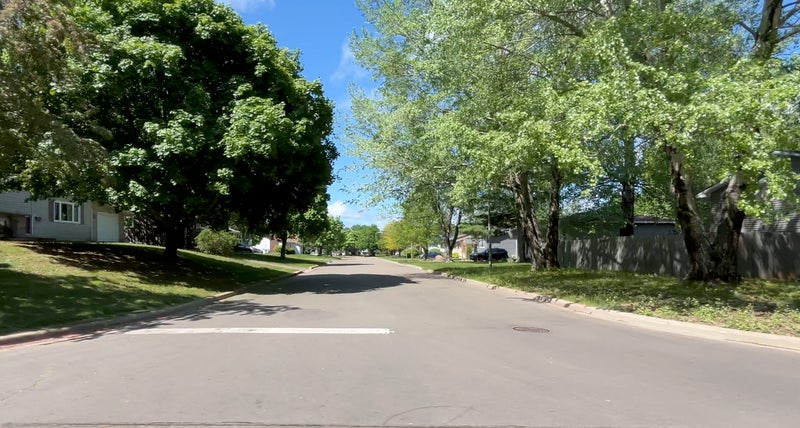
We'd pay more attention to the street than the paint
Paint colours can be changed. Flooring can be changed. Even a dated kitchen can be redone eventually. The street can't. Neither can the commute, the school catchment, the traffic noise, or whether you're backing onto a quiet lot or a parking area. In Greater Moncton this matters more than people assume, because the three communities feel different from each other and even different within themselves. North Moncton, downtown, Dieppe, and Riverview all attract different buyers for different reasons. Crossing the river at 5pm is a real consideration if you're doing it twice a day. Our advice: pick the location you'd be happy with in five years, then find the best house you can inside it.We'd treat the first home as a stepping stone
Your first home doesn't have to check every box. It has to get you into the market in a way that works for your budget and your life right now. A lot of first-time buyers in Moncton get stuck trying to find a house that will still fit them in fifteen years. That house usually costs more than they want to spend, and the search drags on for months. Semi-detached homes and townhouses are a common entry point here for exactly this reason. They're often the difference between owning something now and renting for another two years while you save for the version of the house you think you're supposed to buy. You can move again. Most people do.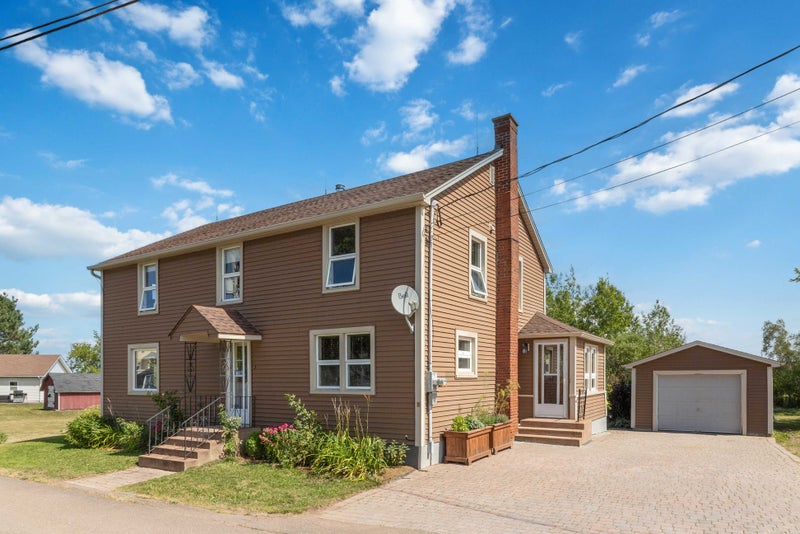
We would not skip the inspection
Photos are marketing. A listing can look great and still have a wet basement, aging wiring, or a roof with two years left on it. An inspection is a few hundred dollars against a purchase in the hundreds of thousands. It's the cheapest thing you'll pay for in the whole transaction. In this region there are a few things worth having eyes on specifically: the heating system and its age, insulation levels in older homes, water in the basement, and the well and septic if you're looking just outside the city. Some of those things are fine. Some are expensive. You want to know which is which before you're the owner. Even in a competitive situation, there are usually ways to structure the condition so you stay protected without losing the house. That's a conversation to have with your REALTOR® before you write an offer.We'd stop buying things until the keys are in our hand
New truck, financed furniture, a credit card for the move. Any of these can change your approval, sometimes right before closing. Lenders can and do re-check your credit and debt before funding. A purchase you made in good faith three weeks before closing can throw off your debt ratios and put the whole thing at risk. So we'd sit on our hands. Buy the couch after. While we're on costs, budget past the down payment too. Legal fees, the home inspection, moving, and New Brunswick's real property transfer tax of one percent all show up around closing. Your mortgage professional and lawyer can give you the exact figures for your situation.We'd want our own REALTOR® representing us
This one's straightforward. There are a lot of decisions in a first purchase, and most of them happen quickly. Pricing, conditions, deposit, closing date, offer terms, what to do when there's competition. Somebody should be walking you through all of that with your interests in mind, not the seller's.If you contact the listing agent directly on a house you found online, you're talking to the person hired by the seller. They have obligations to their client. That's how it's supposed to work, but it means you're going in without anyone on your side. In most residential transactions here, buyer representation is paid out of the commission the seller has already agreed to, so it usually doesn't come out of your pocket. Your buyer agency agreement spells out exactly how compensation works, so read it and ask questions before you sign.Where to start
If you're buying your first home in Greater Moncton this year, the order matters. Mortgage conversation first, then representation, then showings. Doing it in that order saves you from falling for a house you can't buy or negotiating a deal without help. Your first home doesn't have to be perfect. It should be planned. If you're getting close and want to talk through what your first purchase might look like in Moncton, Dieppe, or Riverview, we're happy to have that conversation. No pressure to do anything on a timeline that isn't yours. What's the part of the process you're least sure about? That's usually where we'd start.