If you're moving to Greater Moncton, here's the truth about winter:
It really isn't that bad if you're prepared for it. And if you are, you might even enjoy it!
In Greater Moncton, you'll mostly see electric baseboard heaters, ductless heat pumps, ducted heat pump systems, oil furnaces, propane, and natural gas.

Once your home's warm, the next step is making sure that warmth actually stays inside.
Now that you know how to keep your home warm and running, let's talk about what you can actually expect once the snow starts flying.
Safe winter driving in New Brunswick starts with winter tires.
They can make a big difference on rural or less-plowed roads, though they're noisier on dry pavement. In New Brunswick, studded tires are allowed from October 15th to May 1st.
On the shortest day of the year, December 21st, Moncton gets around 8 and a half hours of daylight.
Once you've got a handle on the day-to-day stuff, there are a few winter realities that might catch you off guard the first time you experience them.
It really isn't that bad if you're prepared for it. And if you are, you might even enjoy it!
People want to know what they're actually signing up for when they move here. So we're sharing what locals really do to keep their homes cozy, cars ready, cabin fever in check, and weekends fun. All with realistic costs and the quirks no one warns you about.
We'll cover home heating and bills, snow clearing rules, winter tires, parking bans, daylight reality, staying active, and the best ways to embrace life here when the temperature drops.
Keeping Your Home Warm Through a New Brunswick Winter
Many newer or renovated homes use central electric heating and cooling through a ducted heat pump, which provides even heat throughout the home and efficient air conditioning in summer.
New Brunswick power bills are based on the amount of electricity you use, measured in kilowatt hours. But what really matters is how that translates to your monthly bill. For a typical all-electric home with heat pumps, you can expect to spend around $250 to $400 per month in the coldest winter months.
It depends on the home size, insulation, and how warm you keep it. Smaller homes or newer well-insulated ones can come in lower, while large or draftier homes using mostly baseboard heat will be higher.
Electric baseboard is one of the most common types of heating you'll see in Greater Moncton. It's simple, reliable, and gives you room-by-room control, which is nice. While it's not the most efficient option, especially if you like to keep your home warm all day, it remains popular because it's affordable to install and easy to maintain.
Ductless heat pumps (or mini-splits) are extremely popular here. If you're not familiar with them, these are the wall-mounted units you'll often spot in living rooms or hallways with a small outdoor unit that's connected by a line set.
They heat efficiently in cold weather and double as air conditioning in the summer. Many homes run the main living areas with a heat pump and use baseboards as backup in bedrooms or basements.
Oil heat is still found in many older homes around Greater Moncton, especially in more mature neighbourhoods. It provides steady warmth, but it's also one of the least efficient and most expensive ways to heat a home today.
Oil prices can fluctuate a lot. And since oil furnaces convert less of the fuel's energy into usable heat compared to electric or heat pumps, much of that cost literally goes up the chimney. That's why more and more homeowners are switching to electric systems or ductless heat pumps. They're cleaner, more efficient, and cheaper to run long-term.
Right now, there's even a federal and provincial rebate program that helps cover the cost of converting from oil to a heat pump. In some cases, homeowners can qualify for up to $15,000 towards the upgrade.
Propane is less common for full home heating, but popular for fireplaces, garages, or rural properties without large electrical panels. It offers instant heat and clean burning, but requires regular fuel deliveries.
Natural gas is also available in parts of Greater Moncton through Liberty Utilities. It's used mainly in newer subdivisions and for high-efficiency furnaces, on-demand water heaters, or fireplaces. It usually costs less to operate than oil or propane and provides consistent, even heat. But coverage is limited, so not every neighbourhood has access to gas lines.
Getting Your Home Winter-Ready
Getting your home winter-ready mostly comes down to keeping the warm air in and the cold air out.
Doing small things like checking for drafts around doors, windows, and attic hatches can make a big difference in comfort and cost.
Things you can do include adding weather stripping or fresh caulking in the fall. If your windows are on the older side, that clear plastic film you can grab at the hardware store really can help as well.
When the forecast calls for extreme cold, letting a faucet drip slightly can keep pipes from freezing.
And after a big snowfall, a quick pass with a roof rake above the eaves helps prevent ice buildups before it starts.
Power outages can happen here from time to time, so it's smart to think about how you'll keep the essentials running if the lights go out. A backup heat source is a smart idea for any home in New Brunswick, not just rural ones.
Wood or propane stoves can keep you comfortable when the power goes out, but for longer outages, many homeowners rely on a portable generator to keep essentials running. 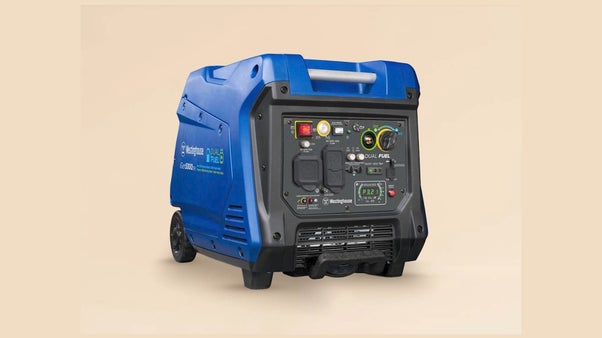
There are two safe ways you can connect a generator to your home. Through an electrician-installed transfer switch, which lets you safely shift your home's power source from the main grid to your generator. This setup allows you to control which circuits receive power and prevents dangerous back-feeding to the grid. The other way is through NB Power's Sure Connect (also known as Generator Link), which attaches directly to your power meter and automatically disconnects you from the grid when the generator is running.
It's a quick and convenient option that can power things like your heat pump, fridge, or well pump without running cords through windows into your house. For those living on well or septic systems, backup power is especially important since no power means no water. A generator can keep your well pump running, prevent frozen pipes, and make a big difference in comfort and safety during a storm.
How Much Snow Do You Actually Get?
The short answer is that we get our fair share, but probably not as bad as you think.
Moncton's long-term average winter snowfall is right around 300 cm, but it can vary a lot. Some years see as little as 140 cm, while others have topped 500.
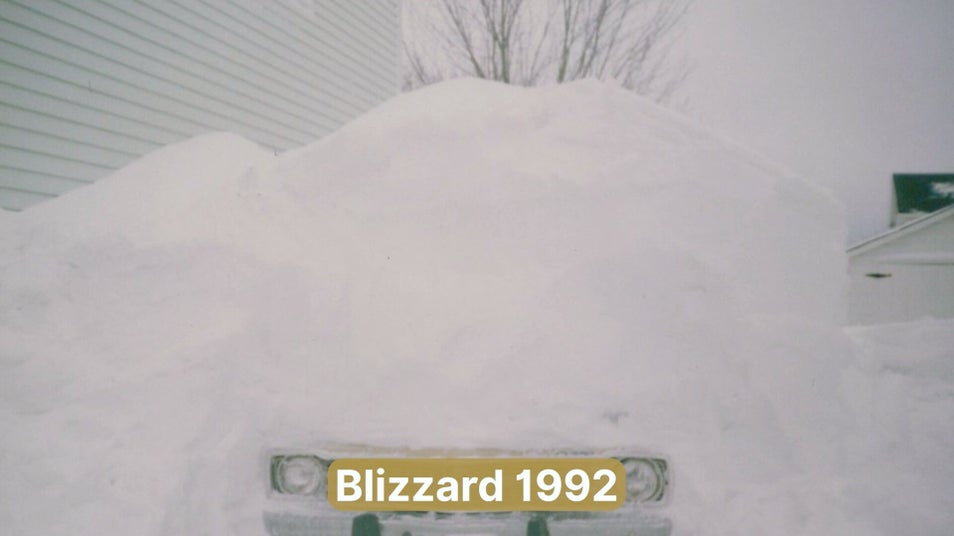
Every once in a while, we still get a storm that people talk about for years. Around here, the big storm to talk about is the blizzard of 1992, when over 160 cm of snow fell in just a few days!
It was an extreme event and it's definitely not the norm, but it's kind of become part of New Brunswick's winter lore.
Most years you can expect several plowable snowfalls and a few nor'easters. Those are large coastal storms that move up the Atlantic, often bringing a mix of snow, strong winds, and sometimes rain to our region. They're the reason you might wake up one morning to perfectly clear roads and the next to knee-deep snow.
Once the snow falls, how long until everything's cleared and life gets back to normal?
Snow Clearing and What to Expect
After a big snowfall, the city's plowing schedule follows a priority system.
Main roads, bus routes, and emergency areas like hospitals and schools get cleared first, usually within the first few hours. Residential streets and cul-de-sacs are tackled next, typically within a few hours after the storm has ended.
It's not unusual for plows to come by more than once as they widen lanes and clear up the edges.
Sidewalk clearing usually takes a little bit longer, especially in residential areas. Main walking routes, school zones, and downtown sidewalks are the first to be cleared, while quieter streets can take an extra day or so, depending on the snowfall.
If you own a home, you'll usually pay for snow removal in one of two ways: a seasonal contract or per snowfall. Seasonal contracts are the most common and usually cover the entire winter for a set fee, no matter how much it snows. Sometimes it works in your favour and sometimes it works in the contractor's favour.
Paying per snowfall can seem cheaper upfront, but costs can add up quickly in a stormy year. Seasonal driveway contracts generally run around $400 to $700, depending on the size of the driveway and whether walkways or ice control are included.
If you pay per visit, expect anywhere from about $40 all the way up to as much as $100 per clearing, or about $25 to $75 per hour during heavier snowfalls.
If you're renting a single-family home or duplex, snow removal may or may not be included in your lease, so it's always worth clarifying before winter hits. In apartments or condo buildings, the landlord or property management company typically takes care of all snow removal for the parking lot and walkways.
Winter Driving: Tires, Conditions, and Parking Bans
They're not legally required, but the province strongly recommends using four dedicated winter tires for safe driving.
Our roads see everything from snow and slush to freezing rain and bare pavement in a single day, honestly. And all-season tires don't grip as well once the temperature drops below about 7°C. If you want extra traction, studded tires are another option. They look like regular winter tires but have small metal studs embedded in the treads to bite into ice and packed snow. 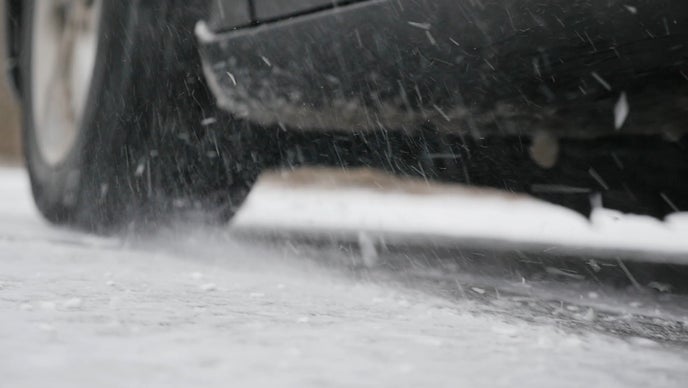
They can make a big difference on rural or less-plowed roads, though they're noisier on dry pavement. In New Brunswick, studded tires are allowed from October 15th to May 1st.
Expect packed snow, slush, snow drifting in open areas, and black ice during freeze-thaw days.
Black ice is a thin, nearly invisible layer of ice that forms when the road surface freezes while still looking wet. It's most common in shaded areas, under bridges, and early mornings before the sun warms the pavement, but it can also form after a mild day followed by a sudden overnight freeze.
The best defence is to slow down, avoid sudden steering or braking, and drive as if the road could be slippery, even when it looks clear.
One thing that catches a lot of newcomers off guard is winter parking bans. They exist so snow plows have enough space to do their job safely and efficiently, keeping roads clear and wide for everyone.
In Moncton, overnight parking on city streets is only restricted when a ban is declared, usually during storms or cleanup operations from midnight to 7:00 a.m. The city typically announces bans by 4:00 p.m. through the Moncton Alert dashboard. You can also sign up for text or email notifications to stay updated before you park in for the night.
In Dieppe, the rules are stricter. There's a nightly ban in effect from December 1st to March 31st, every night from midnight to 7:00 a.m., no matter what the weather looks like.
Riverview is similar to Moncton. Street parking is allowed most of the time, but bans are declared when snow clearing or ice removal operations are planned. You'll get notified by 6 p.m. through the Riverview Alerts dashboard. The ban runs from midnight to 7:00 a.m.
Weather here can change fast, so it's smart to keep a few essentials in your car. Not because it's dangerous every day, but because things like road closures or a stuck vehicle can happen when you least expect it.
A blanket, snacks, water, and extra mitts can keep you comfortable if you're delayed.
Add a scraper, a small shovel, booster cables, phone charger, and a bit of sand or kitty litter for traction. It's a simple habit that makes winter driving a lot less stressful.
Daylight and Staying Active During Winter
The sun rises at about 8:00 a.m. and sets about 4:30 p.m.
Days start getting noticeably longer right after that. And by late January, there's already close to an hour more of daylight.
The trick is to make the most of it. Locals bundle up and keep moving. Skating at the Ian Fowler Oval, snowshoeing or cross-country skiing at Irishtown Nature Park, or taking the kids tobogganing at Centennial Park.
Staying active and getting a bit of fresh air every day helps you feel more energized through the season.
Shorter days can make it harder to stay motivated, but simple things like keeping a routine, opening your curtains early, and spending time outside during the brightest part of the day can make a real difference.
And of course, dressing for the weather helps too. Layer up with a warm base, something cozy like a fleece or wool, and a wind and water-resistant shell. Add insulated waterproof boots, a good toque, and mitts instead of gloves so your fingers stay together, and you'll be set for almost anything. Once you're dressed for it, winter starts to feel a lot less daunting and maybe even a little enjoyable.
A Few Winter Quirks You Should Know About
Snow banks build up along the sides of the roads as plows push snow to the curb during repeated storms. Over time, they can get quite high, especially on narrow residential streets, and that can make it harder to see when pulling out of a driveway or intersection.
Edge forward slowly and watch for pedestrians or oncoming traffic since visibility can be limited until the city hauls that bank away later in the season.
New Brunswick's climate can vary quite a bit depending on where you are. Moncton sits inland, so it tends to get colder winters than coastal cities like Saint John, where the Bay of Fundy keeps temperatures a few degrees milder but often brings more freezing rain and fog.
At the same time, Moncton winters are less severe than up north in places like Edmundston, which see longer cold snaps and heavier snow. Moncton offers a true winter - plenty of snow and crisp temperatures - but without the extreme cold of the north or the icy mix you might find along the coast.
So yes, winter here has its quirks, but once you know how to handle it, it's just part of life in Moncton. It can seem like a big adjustment at first, but once you know what to expect, it's surprisingly manageable. And for many people, it becomes one of the reasons they enjoy living here.
If you're planning a move to Greater Moncton, we'd love to help you get a real feel for what life is like here.
People just like you reach out to us every week, and we're always happy to answer questions or share what we know about this part of New Brunswick.
If you're thinking about making the move, we've put together a free relocation guide that covers everything you need to know. Grab it from the link on our site.